 CasinOntario
Regulation Protects Ontario Casino Players When Things Go Wrong
October 24, 2026
A licence badge on a casino homepage is easy to fake. The real question is what happens when your withdrawal stalls, your bonus terms mutate, or your account locks with funds still inside. Ontario’s regulated market exists for these moments. The difference between a regulated operator and an offshore site is not marketing; it is whether someone with actual power answers your complaint.
Registration and the Real Purpose of KYC
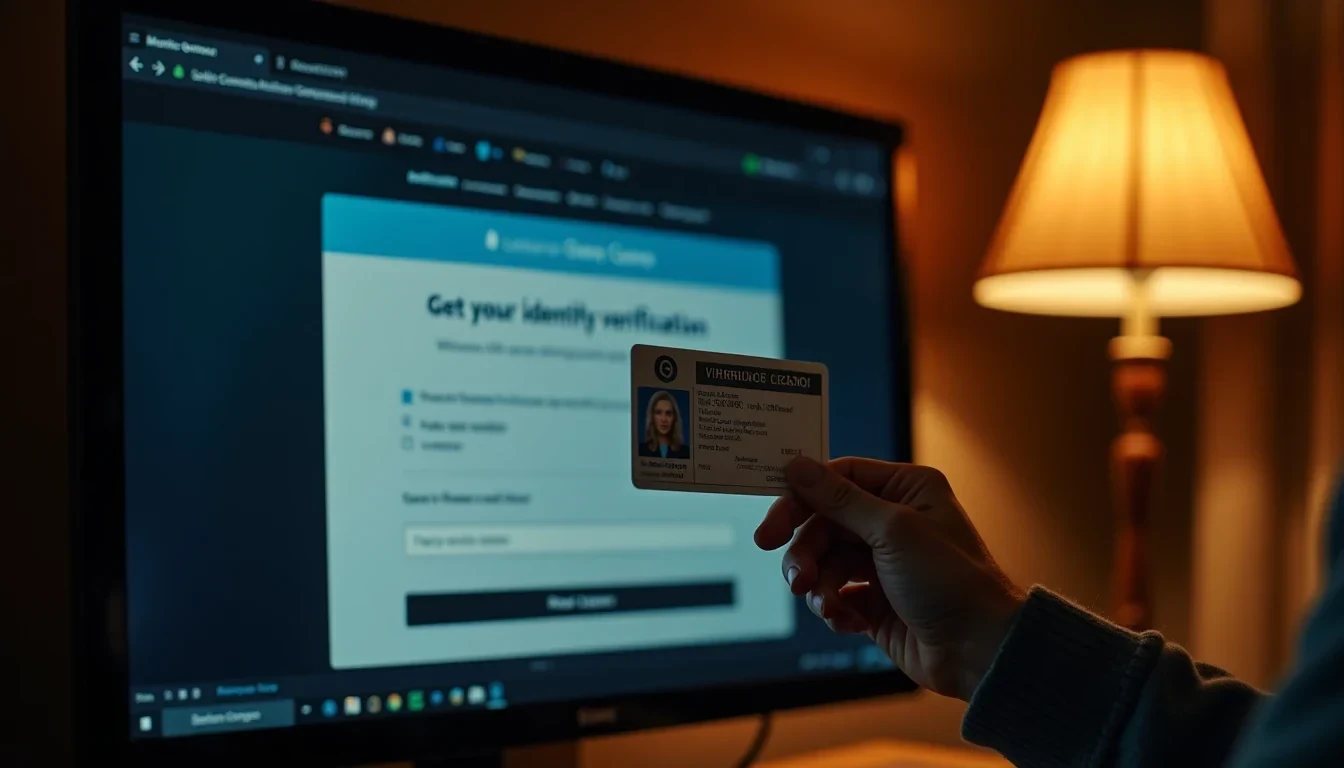
The player journey begins with friction that offshore sites rarely impose. Ontario’s Standards demand identity verification before a single real-money wager, not after a withdrawal request triggers a document scramble. Government-issued ID, address confirmation, and age checks (19-plus) are mandatory gates.
This Know Your Customer protocol serves two functions. First, it blocks minors and fraudsters at the door. Second, it creates a verified identity trail that becomes evidence if disputes arise. An offshore site can ghost a player with a fake name and a crypto wallet. A regulated operator cannot, because the AGCO knows exactly who runs the platform and who complained.
Where Your Money Actually Sits
Standard 2.10 requires something most players never think to ask about: player funds held in separate trust accounts, legally walled off from operating capital. This is not a technicality. If an operator faces insolvency or bankruptcy, your deposit does not become a creditor’s bargaining chip. It remains yours, accessible for withdrawal.
The same standard governs what you see before you deposit. Accepted methods, fees, processing times, and limits must appear clearly. Interac, the payment rail most Ontario players use, flows through secure gateways meeting PCI DSS standards. Arbitrary delays, hidden charges, and bonus terms that mutate between deposit and withdrawal are all grounds for regulatory action.
Game Fairness Beyond the Promise
Every game on an AGCO-licensed site carries two verified facts: a certified Random Number Generator and a published Return to Player percentage. Independent test labs approved by the regulator audit both. The RNG certification means the outcome mechanism is genuinely random. The RTP disclosure lets a player compare actual expected returns across slots or table variants, rather than relying on vague “high payout” branding.
Offshore sites can publish any number they want. Ontario sites cannot, because lab reports exist and the AGCO can demand them.
When Something Breaks, Use the Complaint Ladder
Regulation reveals its value most clearly when the relationship sours. Ontario players have a three-rung escalation that offshore gambling cannot replicate.
Rung one: The operator’s own complaint process, mandatory under Standard 2.11, must be accessible and documented. Every interaction becomes part of a record the player can request.
Rung two: iGaming Ontario, the AGCO subsidiary managing the market, takes complaints that stall at the operator level. iGO has actual leverage because it controls market access.
Rung three: The AGCO itself investigates, reviews operator conduct against the Registrar’s Standards, and imposes sanctions. Fines, licence suspension, and revocation are all live options. An operator that ignores a player risks its entire Ontario business.
This structure works because the regulator knows who operates the site and where to find them. An offshore licence from a Caribbean jurisdiction offers no equivalent enforcement path. The licence there is decoration. The AGCO licence is a leash.
Responsible Gambling Tools You Can Actually Enforce
Standard 2.12 mandates responsible gambling features as enforceable platform requirements. Deposit limits, loss limits, time limits, and self-exclusion must be available and functional. A player who sets a limit and watches it ignored has a regulatory complaint, not just a customer service grievance.
All licensed platforms must promote PlaySmart, Ontario’s official responsible gambling program, and display ConnexOntario’s 1-866-531-2600 helpline. The integration is a condition of holding the licence.
Advertising rules reinforce the same priority. Standard 2.05 prohibits bonus inducements in general public marketing. No billboards promise “free” play. No television spots dangle credits to unregistered viewers. Promotional offers are restricted to direct channels for players who have already registered and opted in. The rule prevents gambling from being sold as casual entertainment to audiences not already inside the regulated system, and it blocks the predatory targeting of vulnerable individuals or self-excluded players.
The Licence as Recourse, Not Decoration
Ontario’s market launched April 4, 2022, with this framework fully operational from day one. The tangible benefits are: verified identity protection, segregated funds, certified fair games, transparent payment terms, enforceable responsible gambling controls, and a complaint path that ends with a regulator holding real power.
The badge on the homepage signals all of this, but only if the player knows to look past it. The offshore alternative offers none of these protections, because no structure exists to enforce them. When problems arise, and they eventually do, the difference becomes the entire value of the market.
For Ontario players comparing licensed options, BetNova operates under this full regulatory umbrella. The same protections apply, the same complaint path is open, and the same standards govern every deposit, wager, and withdrawal.